Outdoor equipment is bulky, dangerous or hazardous, and requires precautions while transporting. If you are in the process of relocating, you’ll want to make sure you take the proper steps to ensure all your bulky outdoor equipment gets to its desination in one piece. For advice from expert movers, we turned to the folks at Cheap Movers Houston, an affordable moving service helping people relocate for less in Houston, Katy, and Cypress.
Here are a few common outdoor items that require extra precaution when transporting:
- Barbecue grill
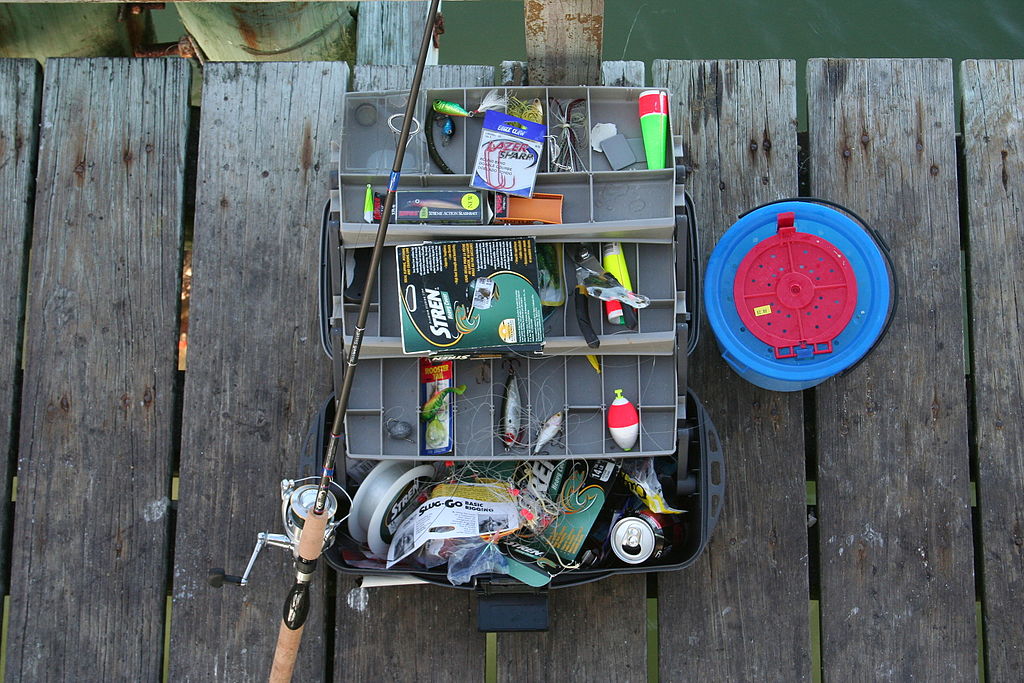
- Fishing equipment
- Kayak
Safely Transporting A Barbecue Grill
Secure the barbecue grill in a way that the grill will not shift, slide, roll, or tip over. Never transport combustible substances inside of your vehicle.
Steps To Transport A Barbecue Grill
1) Be sure the grill is cold to the touch.
2) Remove the propane tank or charcoal briquettes from the grill (do not transport the tank or used briquettes).
3) Clean the grill.
4) Remove loose parts and utensils from the grill.
5) Wrap items with sharp edges or points, and store them in a safe place.
6) Wrap the grill with a protective moving blanket (do not cover wheels or handles).
7) Roll or lift the grill onto the vehicle.
8) Secure the grill against a solid surface with no doors or windows.
Safely Transporting Fishing Equipment
Secure fishing equipment in a way that the poles won’t break, the hooks won’t impale anyone, and the lures won’t fly through the air.
Steps To Transport Fishing Equipment
1) Remove all hooks and lures from the fishing line, and secure the fishing line to the rod or reel.
2) Store the hooks and lures in a bag or box specifically designed to store and transport fishing equipment.
3) Stow fishing rods inside of a fishing case designed to store and transport fishing rods.
4) If a fishing case is not available, stow the fishing rods within a rod rack that mounts to the inside of the roof or inside of a pickup truck bed.
Safely Transporting A Kayak
Secure the kayak to the vehicle in a way that the kayak will not shift, slide, or come loose. A kayak is aerodynamic by design and wants to fly if provided enough wind and speed.
Steps To Transport A Kayak
1) Allow plenty of time to secure the kayak to the vehicle before transporting.
2) Thoroughly inspect all items used for transporting the kayak. Replace any items that are damaged or do not function properly.
3) Secure the appropriate size cockpit cover designed for the type of kayak you are transporting.
4) Secure the kayak to the top of the vehicle with a carrier or roof rack. Be sure to utilize all ropes and straps that came with the carrier or roof rack.
5) Attach lines from the bow and stern of the kayak to the vehicle. Follow the instruction provided with the lines while attaching to the vehicle.
6) Attach a red (or bright-colored) flag to the end of the kayak extending past the rear of the car.
7) Pack paddles and lifesaving equipment inside of the vehicle.
8) Pack extra lines and straps inside of the vehicle.
9) Stop while traveling and check the lines, straps, and carrier.
10) Drive at a safe speed, constantly aware of the kayak above you.